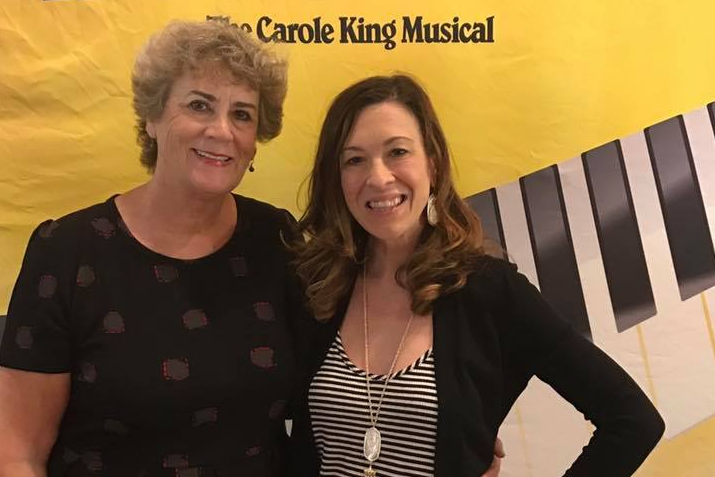
Ketner Group at Stacy's Wedding

4 Ways to Create a Great Agency Culture

How do you get a PR agency owner’s attention? One way is to whisper about employee burnout. That’s why a recent Digiday headline was so alarming. The article, “A crisis boiling under the surface: agencies confront employee burnout,” described a toxic, high-stress agency culture where 32% of professionals worried about their mental health.

I breathed a sigh of relief when I saw that the article focused on ad agencies, not PR firms. After all, we’re Ketner Group, not Sterling Cooper! However, I couldn’t stop thinking about the article. Several of our employees came from national PR agencies that expected them to bill 160+ hours a month. Late nights, employee burnout and high turnover were part of the culture.

That’s no way to run a PR agency — and it’s certainly not the way we do things at Ketner Group. We talk about KG as our “work family,” and it’s not a cliche. Our agency culture has evolved over time, and I think there are at least four reasons why.

#1: Create an Agency Culture Where People Can Thrive

Clear expectations and mutual accountability, combined with reasonable work hours and billing expectations, are fundamental to creating a positive agency culture. (And yes, competitive salaries and benefits matter, too.) These are table stakes, though. Everyone in an agency deserves a climate where they can continually learn, develop new skills and grow in their career, without sacrificing family or personal time. They also need a clear sense of how they can progress, both in salary and titles, and the reassurance that hard work will be rewarded. These are all things we’ve taken to heart at Ketner Group. That’s why we do employee reviews every six months instead of just annually. Why we value everyone’s opinion, not just the most senior staff. And why we do anything we can to help our individual team members grow and thrive.

#2: Trust Your Team

Do you hire great people? Then by all means, trust them. If KG team members focus on clients, consistently hit billing targets, demonstrate professional growth and are team players, then they earn our trust. That’s why we have a flexible work-from-home policy, especially given the headaches of Austin traffic. Trust is also the reason we’ve let KG’ers work abroad, from Dublin to Bali, not to mention our new offices in New York and Nashville.

#3: Exceed Client Expectations

Are you surprised that this wasn’t #1? Well, there’s a method to our madness. To do great client work, we believe that agencies must first create a positive environment where everyone thrives, and where there’s a climate of mutual trust, respect and accountability. Professional skills are a given, of course. But without these other attributes, it’s hard to create cohesive, focused teams where everyone focuses on exceeding client expectations. Great teams do great work, and we see it every day in our fantastic, hard-working team members.

(This isn’t me hyperbolizing, either. The VP Marketing of one of our clients recently told me that hiring Ketner Group was the single best decision he made for his company. And just last week, an editor told me we had the best PR team in the business.)

#4: Have Fun

This one almost goes without saying, but let’s face it: even at its best, PR can sometimes be stressful. And the best way to counter that is to leave plenty of time for fun. That’s why Ketner Group has Taco Tuesday, Wake-up Wednesday, frequent team lunches, and random outbursts of singing and laughing during the day. Yes, we use Slack primarily as a business tool, but sometimes a string of off-the-wall giphys is just what you need to laugh during a crazy afternoon (a Greg video or a random JK emoji can do the trick, too). And just this weekend, the KG team danced its heart out at Stacy’s wedding. The point is, committing to a fun work environment is one of the reasons we enjoy showing up every day.

There’s much more that goes into creating a great culture — frequent video chats and weekly check-ins with our remote team members. Taking time to chat with one another about life, not just work. Making sure everyone has each other’s back. Keeping the freezer stocked at all times with Amy’s frozen dinners. And occasional Rosé breaks. Team culture is always evolving at Ketner Group, and we’re working hard to make sure it evolves in the best possible ways.

mother career inspiration

How Our Mothers Inspired Our Communications Careers

This Mother’s Day, as usual, we at Ketner Group are feeling thankful for the inspiration our mothers have had on our careers. Whether by being our biggest champion, encouraging us to do the right thing or shaping the way we craft stories, they have influenced who we are as people, and as communications professionals.

She Taught Me to Always Do the Right Thing
Catherine Seeds and her mom Susan
Catherine Seeds with her mother Susan

For Catherine Seeds, our SVP and Partner, her mother’s biggest influence was teaching her to always do the right thing. “This is such a simple guide, but it has really stuck with me my whole adult life, particularly as a working mom,” Catherine remarked.

Catherine has had to make some tough decisions in her life, when it comes to her role as a mother and an agency VP. But through it all, that mantra has guided her to make the best decisions.

My Mother Was Always My Biggest Champion

“My mom was always my biggest supporter in anything I pursued growing up,” shared Account Coordinator Mikaela Cannizzo. “If I was excited about something, she was too. If I was passionate about achieving a certain goal, she encouraged me until I accomplished it. And when I wanted to pursue a career in writing and journalism, she was all for it. I think she still has all my clips saved from my early days at The Daily Texan.”

For Mikaela, her mother has always been someone she could confide in and rely on. “She is exactly the type of woman and mother I strive to be one day,” Mikaela expressed.

I Learned How to Craft a Story to Stay out of Trouble

As for our very own Greg Earl, his mother taught him how to perfect his stories. “I always had to fine tune my stories so I wouldn’t get into as much trouble. I learned to frame stories in a better light but also not to lie too much—in the event she got intel from around town.”

Without her, would Greg be so capable at crafting a great story? Maybe not. “But fortunately, she was there.”

My Mother Taught Me Empathy

Ann, Katie and Ashley Stone

“My mom taught me a lot about empathy and kindness.” Our intern, Katie Stone learned a lot about compassion from her mother, who is a stay-at-home mom.

“She taught me those soft skills that you aren’t going to learn in a classroom,” Katie said.

She Inspired Me to Ensure Everyone Has a Voice

Jenna Jordan’s mother is a teacher who emphasized the importance of recognizing and ensuring that everyone has a voice.

“We as a collective population are always learning and on the course of gathering knowledge,” shared Jenna. “My mother works with kiddos, so understanding empathy and different perspectives has always been a constant in my life!”

Mom Taught Me I Could Make My Own Career Choices

Kirsty Goodlett and Karen Corcoran Hughan
My mother and me in her element at Nashville’s botanical gardens

As for me, growing up, my sister and I referred to our mother simply as “the boss.” We didn’t know exactly what she did, we just knew that she was powerful and that she made her own path.

My mother taught me that when it comes to your career, you always have a choice. Whether you wish to work in a highly corporate career wearing power suits, like she did in Atlanta in the ‘90s, or you want to start your own landscape design career, like she did in Connecticut in the ‘00s, the choice is yours to make.

This has inspired me deeply. Now, I know that whether I want to work for someone else, myself or something in between, that choice is mine.


Spring Training Routines Aren’t Just for Athletes

I grew up a diehard sports fan in Boston. Spoiled rotten by now, the city’s motto in those days was, “there’s always next year.” It was an unfortunate existence, but one that leveraged optimism to handle the frustration of defeat. Fast forward to this week when I tuned into a Red Sox spring training game. I was struck by the unique approach sports leagues take to prepare for the nature of business. There are dates and processes that define team building year in and year out. Spring training gets players and coaches comfortable with the daily grind. It establishes routines and provides the practice that teams need in order to win more often than not throughout a grueling season. And it dawned on me that within this rigid structure lies a key lesson for all PR pros.

Living in Organized Chaos

I’m lucky to work for one of the most successful retail technology PR firms in the country. With that, every day brings a new schedule, new challenges and new opportunities. It’s a job that requires preparation, organization, dedication and creativity. Yet, unlike professional athletes, we don’t get an offseason to reset and refocus. With limited regularity to our days, it can be hard to establish effective systems and frameworks that withstand the pressures of day-to-day expectations. Superstitious baseball players would probably hate it.

Identifying Routines

Superstition is a funny thing, really. Most athletes know that putting on their socks in the wrong order doesn’t shift the balance of the universe to mandate their failure. Rather, they understand the need to establish routines that create consistent triggers in a chaotic profession. Yes, they have endless travel, non-stop media attention and families to raise. But little routines help them find stability in the chaos. With a sense of control comes the ability to handle changing environments, situations, and opponents.

Establishing Productive Habits

This approach can teach us something about our own work. As you do your own personal and professional spring cleaning, think about ways that you can declutter your daily schedule. Look for ways to take control of your morning routine. Analyze your lunch break, the way you spend time between tasks, emails, client calls, and everything else you regularly do. You’ll quickly notice that among the chaos, there are plenty of opportunities to take control, find the calm and establish consistency.

The arrival of spring is a played-out analogy for new beginnings and new growth. Indeed, the optimism driven by longer, warmer days offers a notable divergence from the dutiful commitment to New Years’ resolutions made during the pits of winter’s misery. But growth doesn’t have to come from establishing visions of grandeur or reaching lofty goals. Rather, it can simply mean finding the little things in your day that trigger success, that bring regularity, comfort and calm to a hectic day.

So, put in the work to do the little things right. Do them every day. Do them right. Ultimately, you’ll establish routines that last a lifetime. Next spring when they start over once again, you’ll already be hitting home runs.

“Don’t judge each day by the harvest you reap but by the seeds that you plant.”
– Robert Louis Stevenson

language-equality-marketing-pr

How We Can Use Language to Promote Equality

A few years ago, I made a conscious decision to stop saying, “you guys.” For someone who spent an equal amount of their childhood in both the north and the south, this decision carried some weight. Moving to Connecticut in middle school is an easy way to remove “y’all” from your vocabulary. In an effort to conform, “you guys” became my norm.

Lucky for all of us, with age comes confidence. As I found my place as a woman in the workplace, I became dedicated to gender equality, working to promote inclusion. “You guys” didn’t stand a chance.

The reason is simple: the phase is exclusionary.

In our society, we use language to emphasize pre-established situations. And we can use language to change them. Ultimately, this is the power in marketing and PR, which allows us to use language to impact people’s perception of the world. It’s no surprise that, as a marketer, I became hung up on just a couple of words.

Changing my vocabulary wasn’t easy. But after a few years, the phrase is (mostly) gone. The next step is to help others change their language too. Why? Because the state of women in the workforce is not changing, and we can use language to change that.

The State of Women in the Workforce Is Unchanging

The Women in the Workplace 2018 report by LeanIn.org and McKinsey found that “Companies report that they are highly committed to gender diversity. But that commitment has not translated into meaningful progress…Progress isn’t just slow. It’s stalled.” This is despite the fact that women are doing their part, obtaining bachelor’s degrees at a rate higher than men and asking for promotions and negotiating salaries at the same rate as men.

(If you need to be convinced that diversity in the workplace is important, there are plenty of reports that can help prove “gender-diverse business units have better financial outcomes than those dominated by one gender.”)

To Improve Diversity, Change Your Language

LeanIn.org and McKinsey seek to make improving diversity easy by providing six actions companies can take to find success. One of these is particularly relevant for our industry: foster an inclusive and respectful culture.

Language is a simple way to promote an inclusive culture. If you’re looking to change your own actions at work, be considerate about the language you use. Select words and phrases that are more inclusive. Because language is so ingrained in us, making an effort to be more inclusive will take some work, but if you take a collaborative attitude and give yourself the grace to make a slip up, your language will begin to improve.

How to Ask Others to Change Their Language

Once you’ve begun the process of changing your own language (it will be a process), you can begin to help others change theirs. Through trial and error, I have developed some personal best practices when it comes to asking others to change their language. (Interestingly, the strategy I use is similar to one I use at work to advocate for a project or cause I believe in.)

  1. Share a personal story. Sharing personal stories at work requires a balance—we don’t want to get too personal—but by sharing how we view the world, we can help others see situations through our eyes.
  2. Share the research. Do your research to understand why what your advocating for is important.
  3. Suggest a next step. Once your audience is bought in to your idea, they’re ready to take the next step. Share a suggestion for how to move forward.
  4. Be supportive. Changing ingrained habits is hard! Give people the benefit of the doubt and be there to help them with a supportive, cheerful attitude when (not if) they slip up.

I found success with this approach at a previous job. One of my colleagues came to work anxious after reading an article arguing against the use of “you guys” and feeling concerned about how his use of that phrase may have impacted those around them. I was glad he felt comfortable talking about this with me, and I used the opportunity to share my story of changing my language, provided research into why it was important to do so, suggested some alternative phrases he could use and cheered him on as he practiced shifting his language.

Steps You Can Take to Promote an Inclusive Workplace

If you’re ready to take it even further, some great resources exist!

She+ Geeks Out’s blog post on covering and passing in the workplace provides some great tips for supporting our colleagues so they feel comfortable being themselves at work.

A couple of my favorites (that helped inspire this blog post)…

  • “Be explicit in your language. If someone says something discriminatory, say something to make it clear that that language isn’t tolerated.
  • Share your own story of difference.”

In addition to making our workplaces more inclusive, it is also important to set up practices that promote inclusive hiring. Another post by She+ Geeks Out has some great tips for mitigating bias in hiring. Writers like me will be interested in this tip, “If you’re struggling to get candidates to respond to your job posting, you may want to start with your job description.” Inclusive descriptions that remove adjectives typically associated with one gender (example: ‘driven’ = masculine, ‘dependable’ = feminine), go a long way to encourage a variety of candidates.

Take Your Changes in Stride as You Promote Language Equality

As you make an effort to change your actions and support women’s equality this month, give yourself grace. Changing habits is hard. But remember, I’m here to cheer you on as you make strides. Just get in touch.

kirsty-goodlett-account-supervisor

Get to Know Our New Account Supervisor: Kirsty Goodlett

Please allow me to re-introduce myself. My name is Kirsty. That’s like thirsty, but with a K.

I’m thrilled to be back at Ketner Group. KG has always been full of the kindest, cleverest, most fun people I know. How could I not want to be part of a team like that?

Over the years, I’ve worked with Ketner in a variety of ways. I began as a client, finding KG to be an extension of our team at Digby. When I moved to Nashville, I joined Ketner Group as an Account Manager, while simultaneously providing marketing services to small businesses through my company Seamless Marketing. Now, after a detour working with Rustici Software to help rebrand their company and re-launch their websites, I’m back at Ketner Group!

But okay, okay, enough about business.

Making Things, Writing Things and Cooking Things!

If there’s one thing to know about me, it’s this: I love to make things.

I studied film and electronic arts at Bard College, the culmination of many years practicing visual arts, theatre and music throughout my childhood years. At Bard, I learned how to create installation art pieces and began the process of learning how to write and think, two things I plan to learn more about as I age.

I love to cook. I’ve had the fortune to learn how to cook from two fabulous self-taught cooks: my mother and my dear friend and cookbook author, Pam Anderson. These women have taught me that food is a way to show your love, express your creativity and create the fuel of a very good party.

Outside of that, I’m an avid reader and will consume pretty much anything you put in my hand. I can’t not finish a book. And I love yoga. I’ve been practicing for more than fifteen years. I use yoga as a tool to learn more about myself and give myself an excuse to dance.

In Nashville, I’ve found that there are two types of people: those who are born here and those who arrive here by accident, but then never leave. My husband is the former, I am the latter. I don’t plan on leaving anytime soon, particularly since we’ve set ourselves up in a pretty cozy fashion. We bought our first house two years ago and are about to celebrate the third birthday of our very nice dog Charlie (or Chuck, Cha-Cha, Chewie or Chicken for short).

All of this is to say that I’m very happy. And I am very excited for this next big adventure.

Beat the Blues on Blue Monday

You may not have heard of “Blue Monday,” but you’ve definitely felt it. Declared the most depressing day of the year, the third Monday in January is right around the corner.

Introduced in 2005 by Sky Travel, the travel channel calculated a formula based on factors like weather, debt and motivational levels.

It makes sense. I hate to be the office Debbie Downer, but there are no more holiday parties to attend, the gym is crowded with people acting on their new year’s resolutions, and you’re on a healthy kick yourself when the thing you want most in the world is a slice of chocolate cake. Not to mention you haven’t seen the sun in a few weeks.

The only good thing to come out of the phrase “Blue Monday” is the song by New Order. But even their lyrics can be applied to this depressing day: “how does it feel, when your heart grows cold?”

While the formula has been ruled to have no scientific basis, a lot of us still feel the impact. Whether you call it “Blue Monday,” Seasonal Affective Disorder, or just the winter blues, we hit a seasonal slump in the dead middle of winter. Below are some practical tips on how to make the most out of your Monday.

Mental Escape

More than just a sales tactic, there’s some sound reasoning to the fact why “Blue Monday” was coined by a travel channel. Planning a vacation or a to-list for the weekend can distract from any mundane Monday. What’s more, planning and daydreaming can give you something to look forward to, and a goal to work toward. Books and music are also good channels for escapism, especially on a budget. Music streaming services have playlists dedicated to whatever mood you’re in, so why not switch over to a mood lifter?

Physical Escape

Bears were onto this whole act of hibernation. Even though going outside and getting to the gym sounds like the least ideal activity right now, getting your blood pumping can not only make you feel better physically, but it can improve your mental mood. Elle Woods was right when she said, “Exercise gives you endorphins. Endorphins make you happy.” If you’re too stubborn to leave the house, use the internet to your advantage and pop on a quick exercise video.

If possible, get some sun. It’s hard during this time of year, but the health benefits are immense, and can lead to improved sleep and lower blood pressure. If you’re lucky like us here in Austin, Texas, the sunshine does peek through every now and again during this long winter. Take a fifteen-minute break, bundle up, and soak up that vitamin D. And if you’re lucky enough to have MLK Day off, maybe make a quick escape to sunnier, warmer climate for the long weekend.

Embrace It

Sometimes, it’s hard to take advice and put it into motion. At the very least, when you’re lying in bed hitting the snooze button, practice gratitude. Start with three small things you’re grateful for and remember your source of motivation, like family, learning or new experiences. It won’t make the floor any less cold, but should make getting out of bed a little bit easier.

Remember that while “Blue Monday” hits every year, it’s just one day and is temporary. The seasons will soon change again and your mood will shift. If you’re feeling down, reach out to those around you – chances are, they feel the same.

Katie Stone, Intern at Ketner Group

Meet Our New Intern: Katie Stone

This blog post was provided by our intern Katie Stone

Getting To Know Me

Hello everyone! My name is Katie Stone and I am the new intern at Ketner Group Communications. I recently graduated summa cum laude from Texas State University where I received my bachelor’s degree in Mass Communication and Public Relations. 

I am originally from Katy, Texas (yeah, I know, Katie from Katy). Even though there isn’t a whole lot to do in Katy, I love visiting home so I can spend time with my family. I also like to visit our crazy boxer mix Daisy. Though I have lived in Texas my whole life, I have been lucky enough to travel to many places. I have hiked through national parks in the United States and zip-lined through the Costa Rican canopy. I’ve eaten fish and chips in London and walked the streets of Rome. I hope to go even more places in the future. When I’m not traveling or visiting family, I love reading, cooking and binge watching the newest shows on Netflix.

How Did I Get Here?

Before joining Ketner Group, I did six different internships with companies and organizations such as the Freedom of Information Foundation, Leadhub and Boys & Girls Clubs of the Austin Area. At these internships, I learned a lot about running the perfect social media campaign, developing digital content people will actually click on, and the ins-and-outs of event planning.

While working internships and going to class, I was also heavily involved with the Public Relations Student Society of America (PRSSA). While in PRSSA, I served as secretary on our executive board. I was also the Communications Director for the PRSSA 2018 National Conference – the largest annual gathering of public relations students and professionals in the world. Though I had a crazy schedule, the skills I learned made every minute worth it.

Despite my current dedication to the field, I knew nothing about public relations before I went to college. When I started at Texas State, I didn’t know what I wanted to do, but I needed to select a major. I selected Mass Communication and Public Relations at random. Thankfully, I fell in love with it.

I couldn’t be more excited to get started in my new position at Ketner Group Communications. I’m eager to work with the KG team and to learn about communications in the retail technology industry!